Grand Canyon Rim-to-Rim Hike — Training & Packing Guide
April 16, 2026

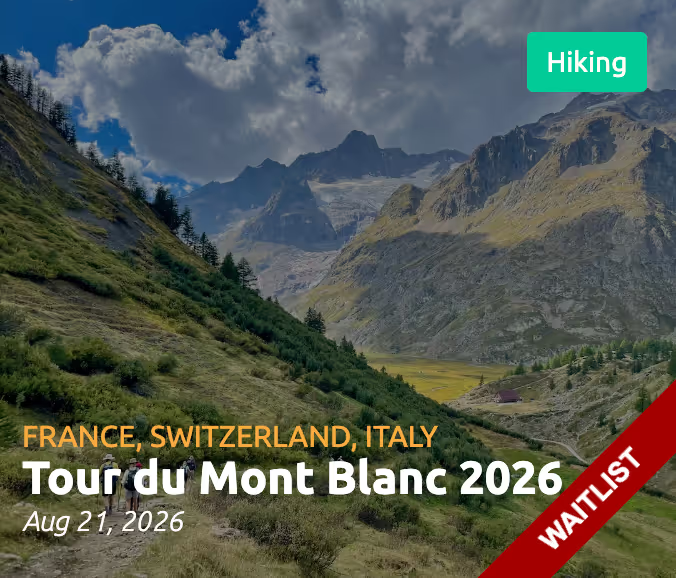
The Tour du Mont Blanc isn’t just another hike, it’s one of the most iconic long-distance, hut-to-hut treks in the world.
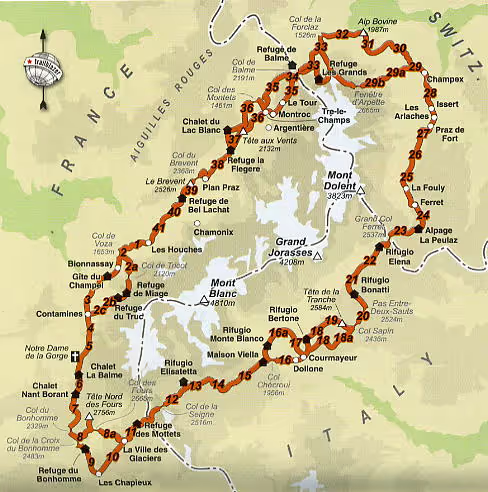
Looping through France, Switzerland and Italy, the route circles the Mont Blanc massif over roughly 110 miles, delivering spectacular views and world-class alpine scenery, along with constant elevation, shifting terrain, and some of the best mountain landscapes you’ll find anywhere in Europe.
But here’s the reality: This isn’t a trip you want to wing.
The difference between an incredible experience and a stressful one comes down to planning, understanding the route, choosing the right setup, preparing your body, and knowing what matters (and what doesn’t).
This guide breaks it all down.
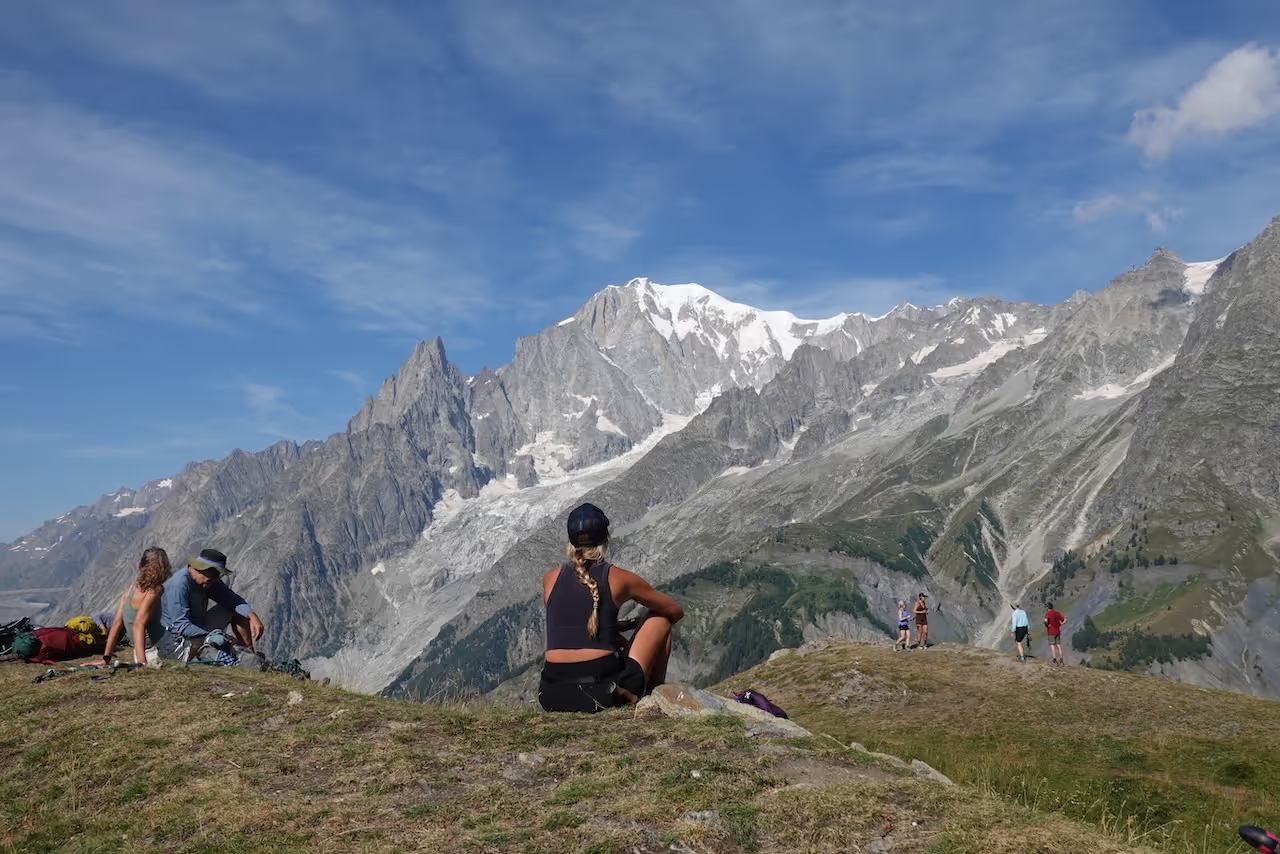
Distance: ~110 miles (170km)
Duration: 8–12 days (most commonly 10–11)
Countries: France, Switzerland, Italy
Daily elevation gain: 2400-4000ft
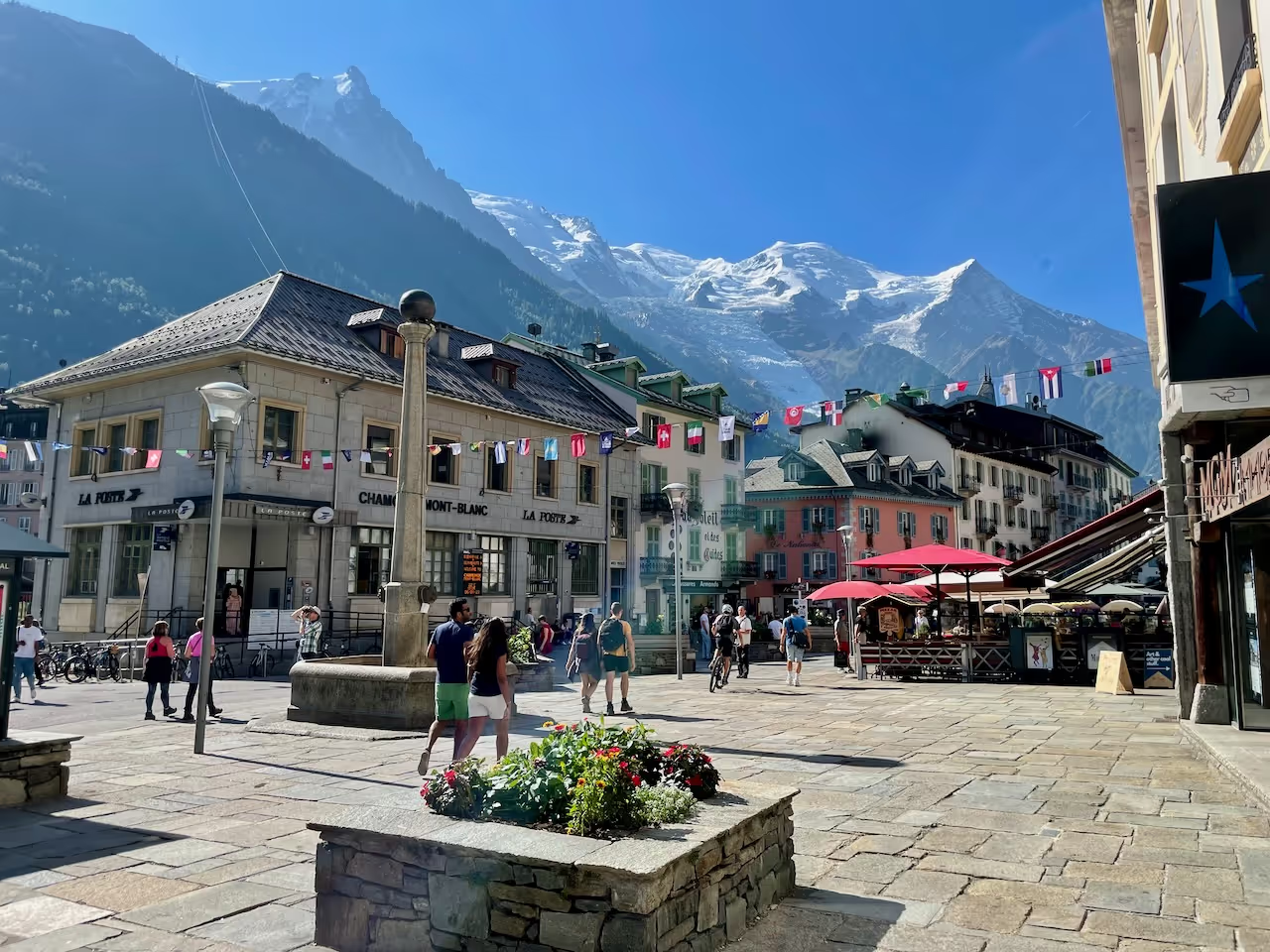
Start/End Point: Typically Chamonix or Les Houches (both in France)
It's not a summit push- you’re not climbing to the peak of Mont Blanc- but you are constantly moving through mountainous terrain, crossing over passes and descending into valley.
It’s physically demanding, but very achievable with the right preparation.
This is when:
Best overall window: Early July to early September
But:
This is what can be accurately described as 'technical hiking'- uneven terrain and physical demands better suited to experienced hikers
Weather in the Alps changes fast, regardless of month- we've hiked in sunshine and 70s one day, temps below freezing and snow the next...
You don’t plan for perfect conditions. You plan for variability.
We complete the trek in 11 days- 6 days of hiking on Week 1, 5 days on Week 2, with a Rest Day in Courmayeur (ITA)in the middle. Here’s a simplified version of the F4A route. Counter to many guidebooks, we hike in a clockwise direction:
Day 1: Chamonix to Argentiere
Day 2: Argentiere to Trient (SUI)
Day 3: Trient to Arpette
Day 4: Arpette to Ferret
Day 5: Ferret to Rifugio Bonatti (ITA)
Day 6: Bonatti to Courmayeur
Day 7: REST DAY (Courmayeur)
Day 8: Courmayeur to Combal
Day 9: Combal to Les Chapieux
Day 10: Les Chapieux to Les Contamines
Day 11: Les Contamines to Les Houches
Day 12: Les Houches to Chamonix
The route is flexible, but elevation is not.
Moderate to challenging. It is not 'beginner' level hiking.
You don’t need to be an elite athlete, but you do need a solid base.
Most people underestimate:
Fitness level is the biggest factor in how much you enjoy this trek.
Carry what you need- nothing more. We use a duffel service to transport our overnight bags along the route, meaning all you need to carry is a daypack with your trail essentials- water, layers, rain gear, snacks, sun protection, personal meds/blister care, etc.
Clothing (Layering System):
Footwear:
Gear:
Safety:
If you’re questioning whether to bring something, you probably don’t need it.
Costs vary depending on how you approach it.
Includes:
Higher upfront cost, but significantly less stress
Planning the Tour du Mont Blanc isn’t just about the route, it’s about:
That’s where experience matters.
For those who want to focus on the experience, not the logistics, Fit 4 Adventure offers a fully supported Tour du Mont Blanc trip.
Led by experienced guides like Joe, these trips are designed to:
It’s not about making the hike easier. It’s about making the experience better.
https://www.fit4adventure.com/explore-trips/tmb26
The Tour du Mont Blanc is one of those experiences that stays with you.
Not just because of the views, but because of the effort it takes to get through it.
If you prepare well, move at the right pace, and stay adaptable, it’s one of the most rewarding treks you can do.
And if you want to remove the guesswork, having the right support can make all the difference.

.avif)